TRCC Event Report
Financial Solutions for Thai-Russian Trade and Tourism
Related event
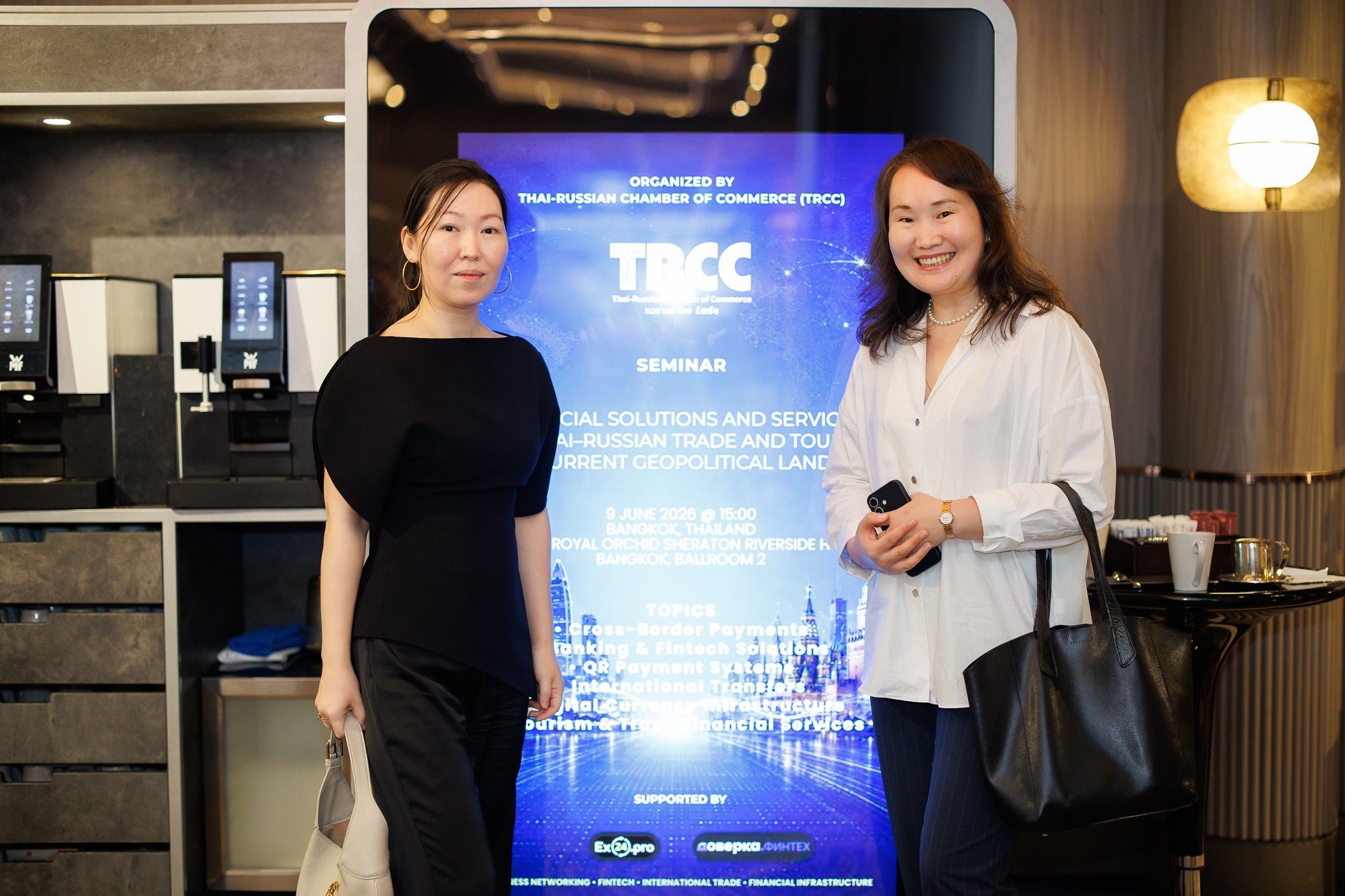
Financial Solutions and Services for Thai-Russian Trade and Tourism in the Current Geopolitical Landscape June 9, 2026 Royal Orchid Sheraton Riverside Hotel Bangkok, Ballroom 2
On 9 June 2026, the Thai-Russian Chamber of Commerce (TRCC) organized a seminar in Bangkok on financial solutions and services for Thai-Russian trade and tourism. Speakers from banking, licensed payment services, fintech, foreign exchange and cross-border payment providers discussed practical ways to support trade, tourism, real estate and corporate payments through transparent, documented and compliant payment infrastructure.
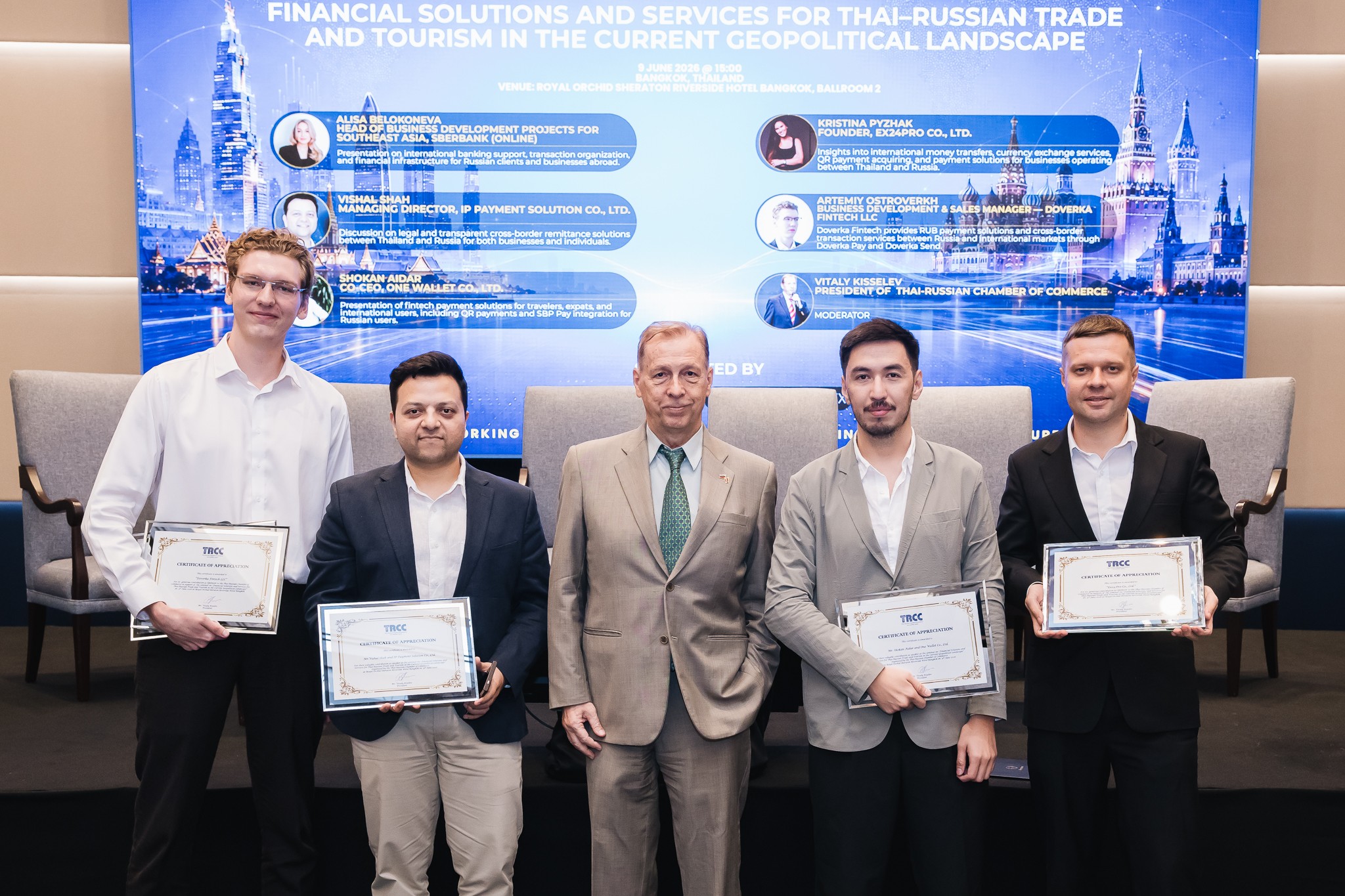
On 9 June 2026, the Thai-Russian Chamber of Commerce (TRCC) organized a seminar in Bangkok dedicated to financial solutions and services for Thai-Russian trade and tourism in the current geopolitical landscape. The program highlighted legal payment infrastructure and cross-border opportunities for companies operating between the two markets.
The event brought together representatives of banking, licensed payment services, fintech platforms, foreign exchange and cross-border payment providers to discuss one of the most practical questions facing Thai and Russian businesses today: how to structure payments legally, transparently and efficiently when traditional international payment channels remain limited.
Practical payment challenges for trade and tourism
The discussion focused on continuing demand for trade, tourism, property transactions, export-import payments and corporate settlements between Thailand and Russia. Speakers noted that while business flows continue, many companies still face uncertainty when receiving payments from Russia, sending payments to Russia, or serving Russian-speaking customers in Thailand.
A recurring theme was that payment challenges are not only technical. Businesses also need proper documentation, compliance review, clear commercial rationale and transparent payment routes.
Banking infrastructure and alternative payment channels
Sberbank International presented banking solutions for foreign companies operating in Russia, including account opening, multi-currency accounts, ruble payments, liquidity management, foreign exchange solutions and alternative payment methods.
The presentation also positioned Sberbank as a large Russian banking and technology ecosystem, with digital infrastructure and services for corporate and retail clients. Topics included B2B services and B2C payment services, including e-commerce, QR and P2P payment options.
Licensed payment infrastructure and compliance
IP Payment Solution Co., Ltd. (IPPS) presented practical approaches to building legally structured cross-border payment flows through licensed infrastructure.
The IPPS presentation focused on the shift from risk to compliance. The discussion covered common risk areas in the market, including uncertified foreign payment terminals, use of personal bank accounts for business payments, unlicensed agents, informal transfer networks, insufficient documentation for property payments and unclear conversion routes.
IPPS emphasized the importance of documentation, licensed payment rails, audit trails, KYC and AML controls, and regulatory transparency. A central message was that the key compliance question is not only where money comes from, but why it is moving and whether the transaction is supported by invoices, contracts, export documents, bills of lading or other commercial records.
QR payments, wallets and tourist spending
One Wallet presented cross-border payment concepts for travelers, expats and international users.
The presentation highlighted strong demand from Russian tourists and businesses for QR payments, local spending tools and faster onboarding in Thailand. It also described the needs of three groups: travelers, who need convenient payment options; businesses, which need to accept Russian customers with lower settlement complexity; and regulators, who require transparency, KYC compliance, audit trails and AML frameworks.
One Wallet also discussed infrastructure concepts including passport-based KYC, wallet top-ups, Thai QR payments, local bank transfers, QR HUB, QR acceptance, SBP Pay integration and B2B payment capabilities.
Financial services for Russian-speaking clients in Thailand
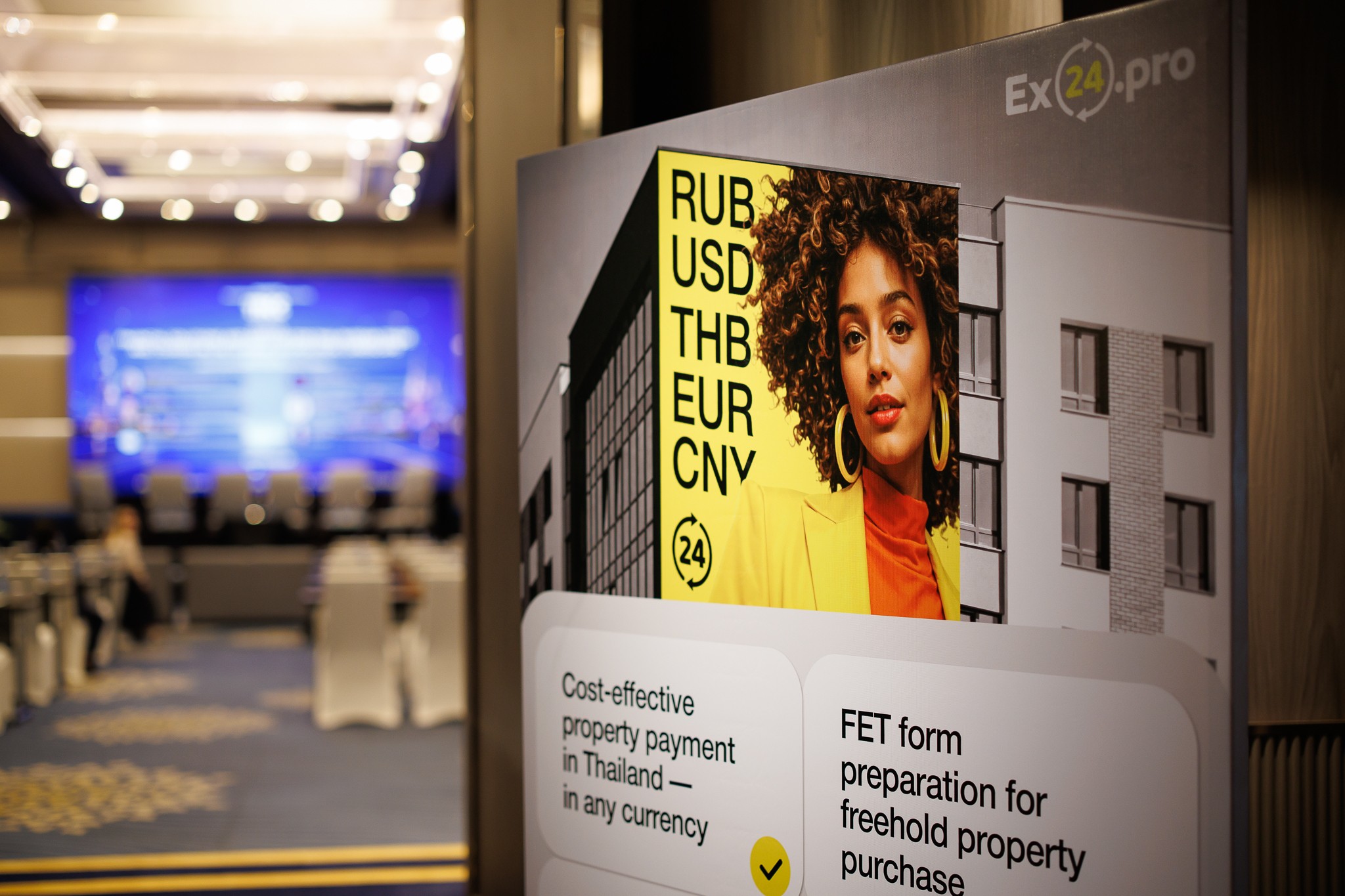
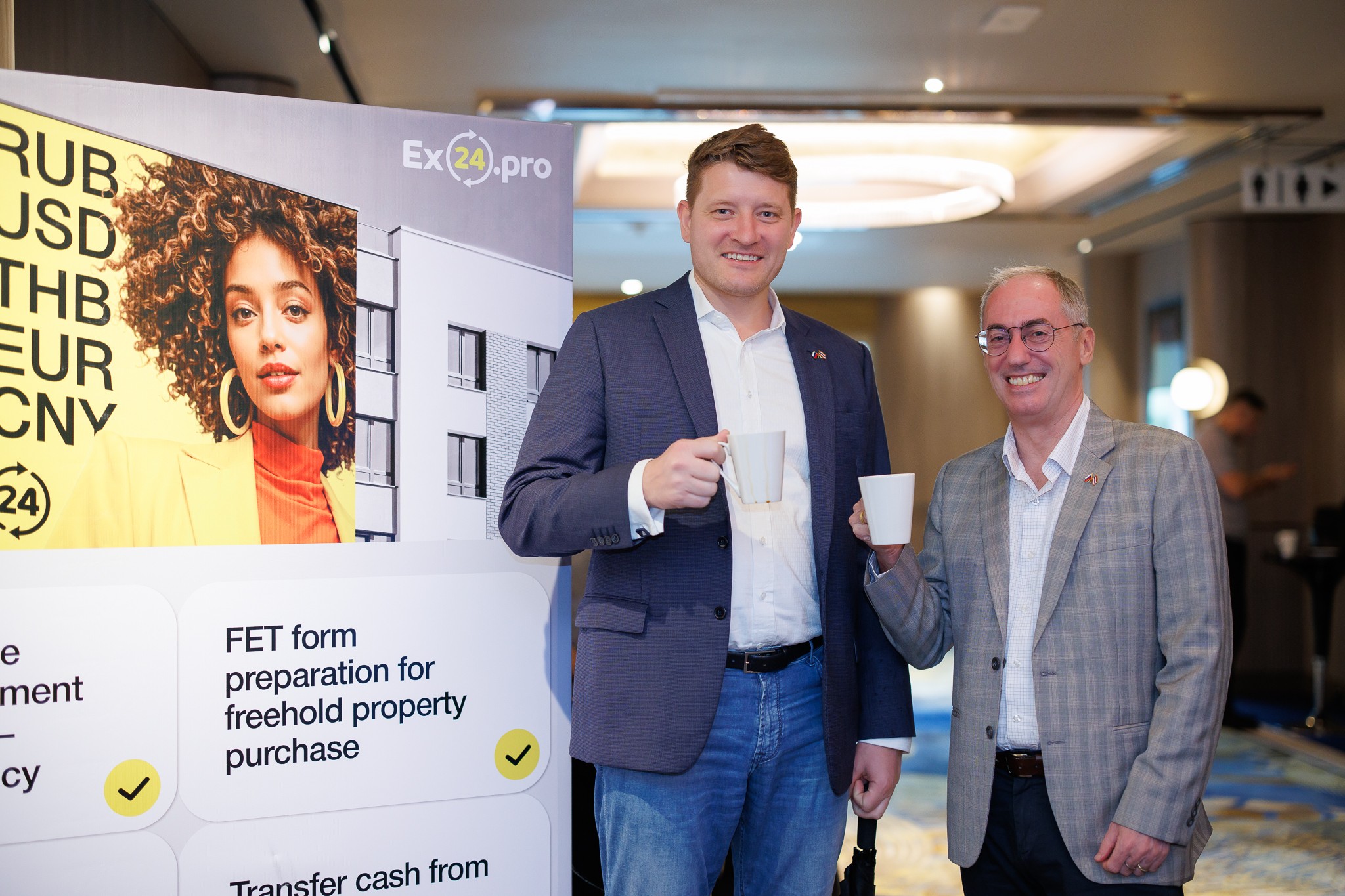
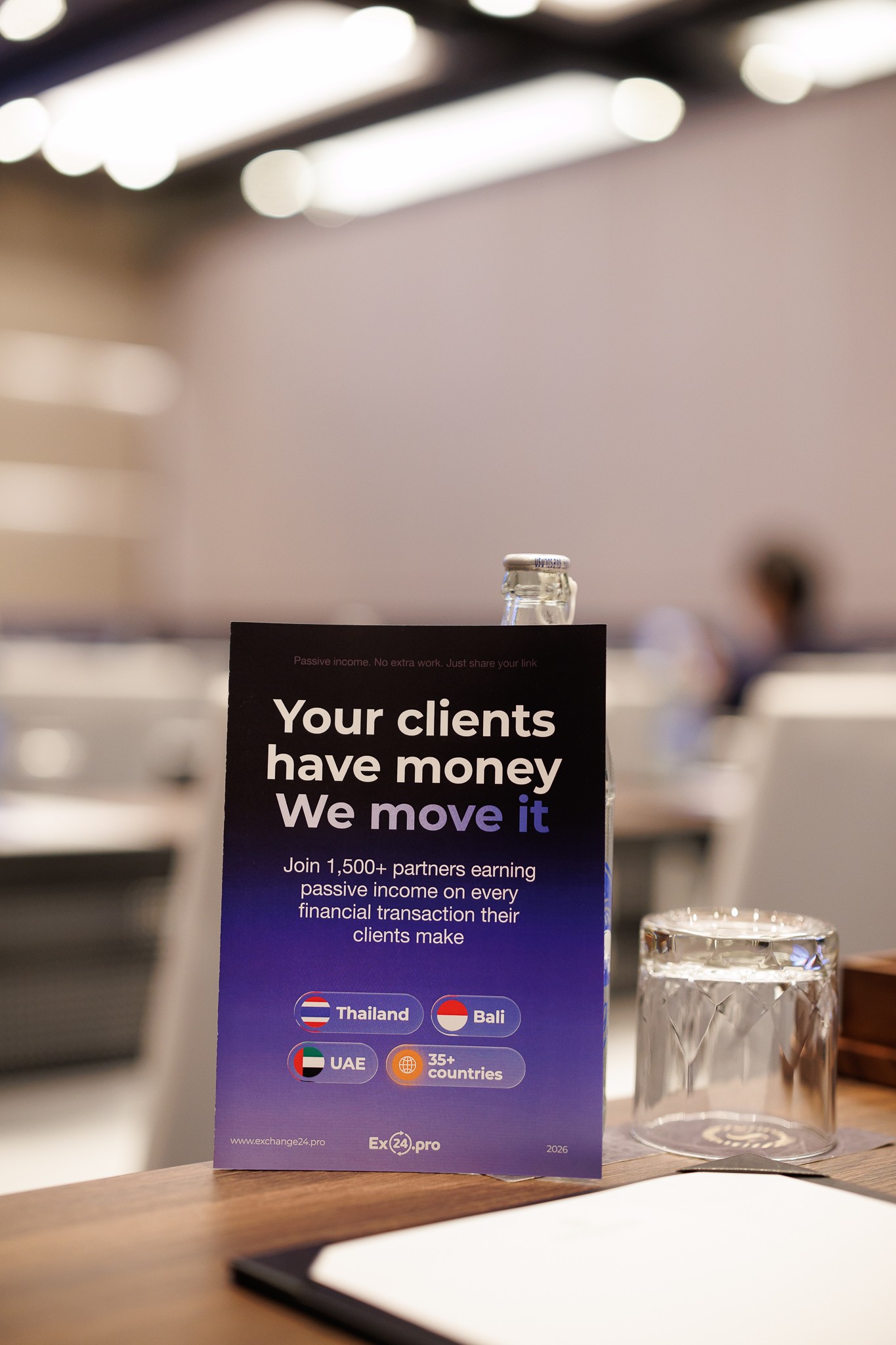
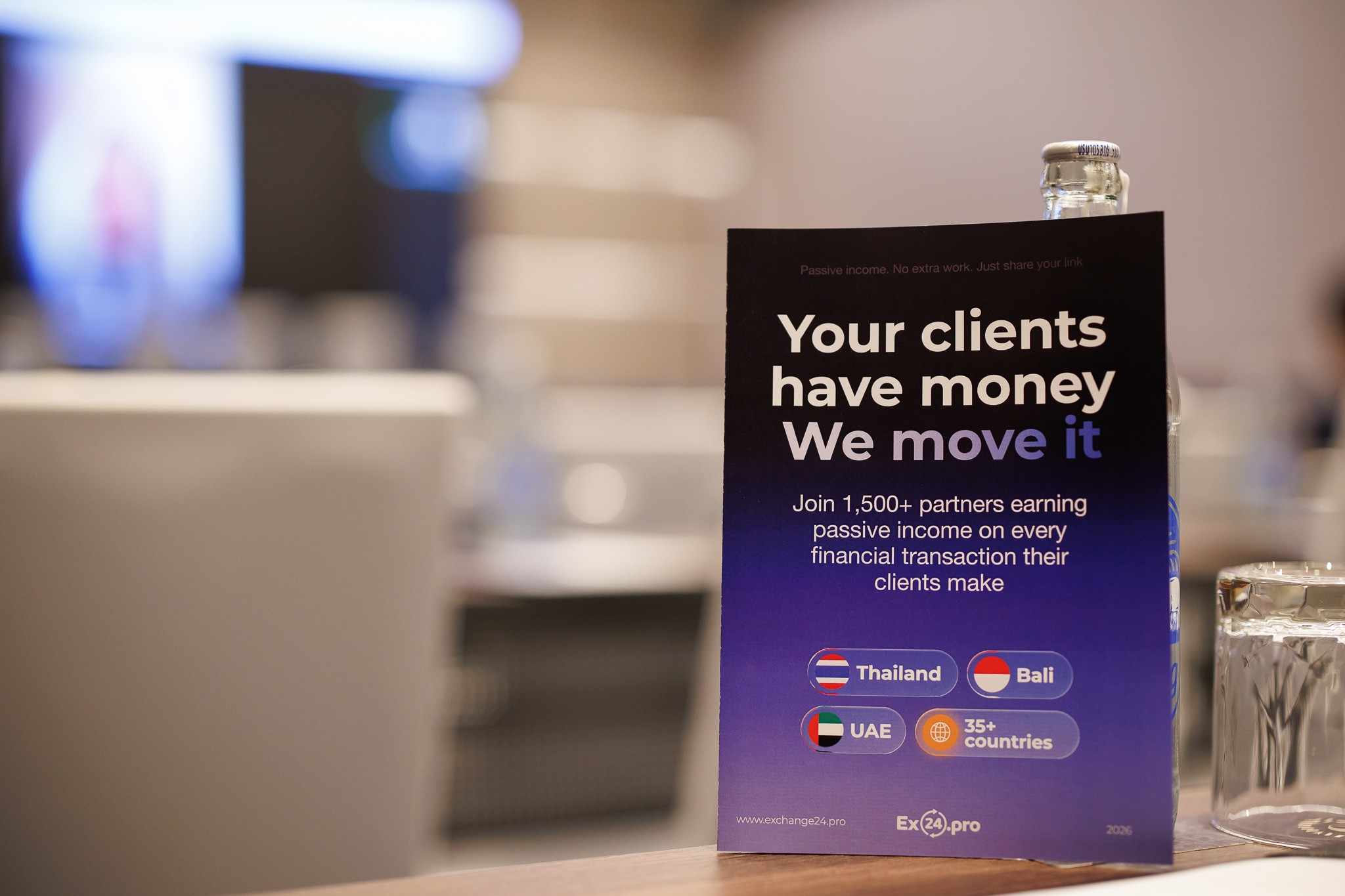
EX24 Pro presented financial infrastructure for businesses working with Russian-speaking clients in Asia.
The presentation addressed practical payment challenges faced by hotels, tourism companies, real estate businesses, restaurants and service providers. EX24 Pro materials described services including currency exchange, international transfers, real estate finance, business acquiring, ticketing and events payments, and partner referral programs.
Building trusted payment infrastructure
Doverka Fintech presented its approach to compliant payment infrastructure for Russian individuals and businesses.
The presentation focused on moving away from informal or risky payment routes toward documented financial infrastructure based on invoices, legal documents and transparent payment processes. Doverka also discussed QR-based systems for accepting Russian ruble payments online and payment tools intended to support travelers and businesses in Southeast Asia.
Key discussion: documentation and legal structure
During the Q&A session, participants paid particular attention to how Thai exporters can safely receive payment from Russian buyers.
Speakers discussed that direct bank-to-bank transfers can remain difficult because of SWIFT limitations, sanctions-related risk and the cautious approach of banks. At the same time, the discussion showed that payment flows may be structured through licensed non-bank payment institutions, partner banks, correspondent structures and properly documented commercial routes.
The recurring message was that businesses should not hide the commercial nature of Russia-related trade. Instead, they should maintain clear documentation, including invoices, contracts, export records, bills of lading and payment instructions.
Main takeaway
The seminar showed that Thai-Russian payment flows remain possible, but they require careful legal structuring, proper documentation and cooperation with licensed providers.
For Thai exporters, Russian buyers, tourism companies, real estate businesses and service providers, the opportunity remains significant. Demand from Russian tourists, importers, exporters and investors continues, while the safest path is to use transparent, documented and compliant payment channels.
TRCC will continue to support practical business dialogue between Thailand and Russia by bringing together companies, financial service providers, legal experts and business communities to discuss real solutions for cross-border trade and cooperation.
Media
Photo Gallery